Ideal Practices When Installing a Heat Pump
Ideal Practices When Installing a Heat Pump
As homeowners look for more energy-efficient and environmentally friendly ways to heat and cool their homes, heat pumps have become one of the most popular HVAC solutions on the market. These systems offer year-round comfort, lower energy consumption, and reduced carbon emissions compared to traditional furnaces and air conditioners. However, achieving the best performance from a heat pump depends heavily on proper installation.
Whether you’re replacing an outdated HVAC system or installing a heat pump for the first time, following ideal installation practices is critical for long-term comfort, efficiency, and reliability.
Choose the Right Heat Pump for Your Home
Not all heat pumps are created equal. Selecting the correct system size and type is one of the most important decisions in the installation process. A heat pump that is too small may struggle to maintain comfortable indoor temperatures, while an oversized unit can short cycle, leading to inefficient operation and unnecessary wear and tear.
Professional HVAC contractors should perform a detailed load calculation to determine the heating and cooling requirements of your home. Factors such as square footage, insulation quality, ceiling height, window placement, and local climate all play a role in sizing the system correctly.
Homeowners should also consider the different types of heat pumps available, including:
- Air-source heat pumps
- Ductless mini-split systems
- Ground-source (geothermal) heat pumps
- Hybrid heat pump systems
Choosing the right option ensures maximum comfort and energy savings for your specific needs.
Prioritize Proper Placement
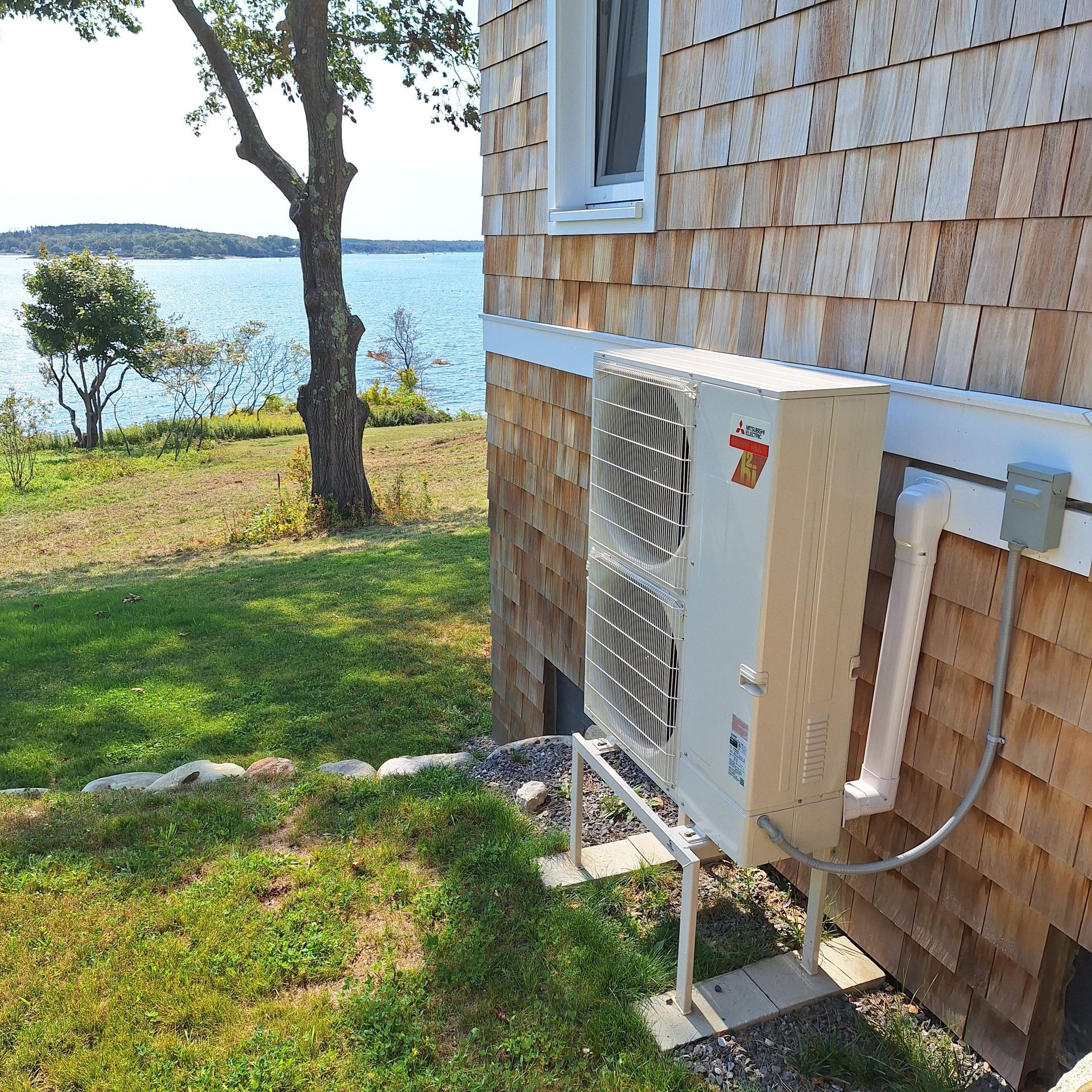
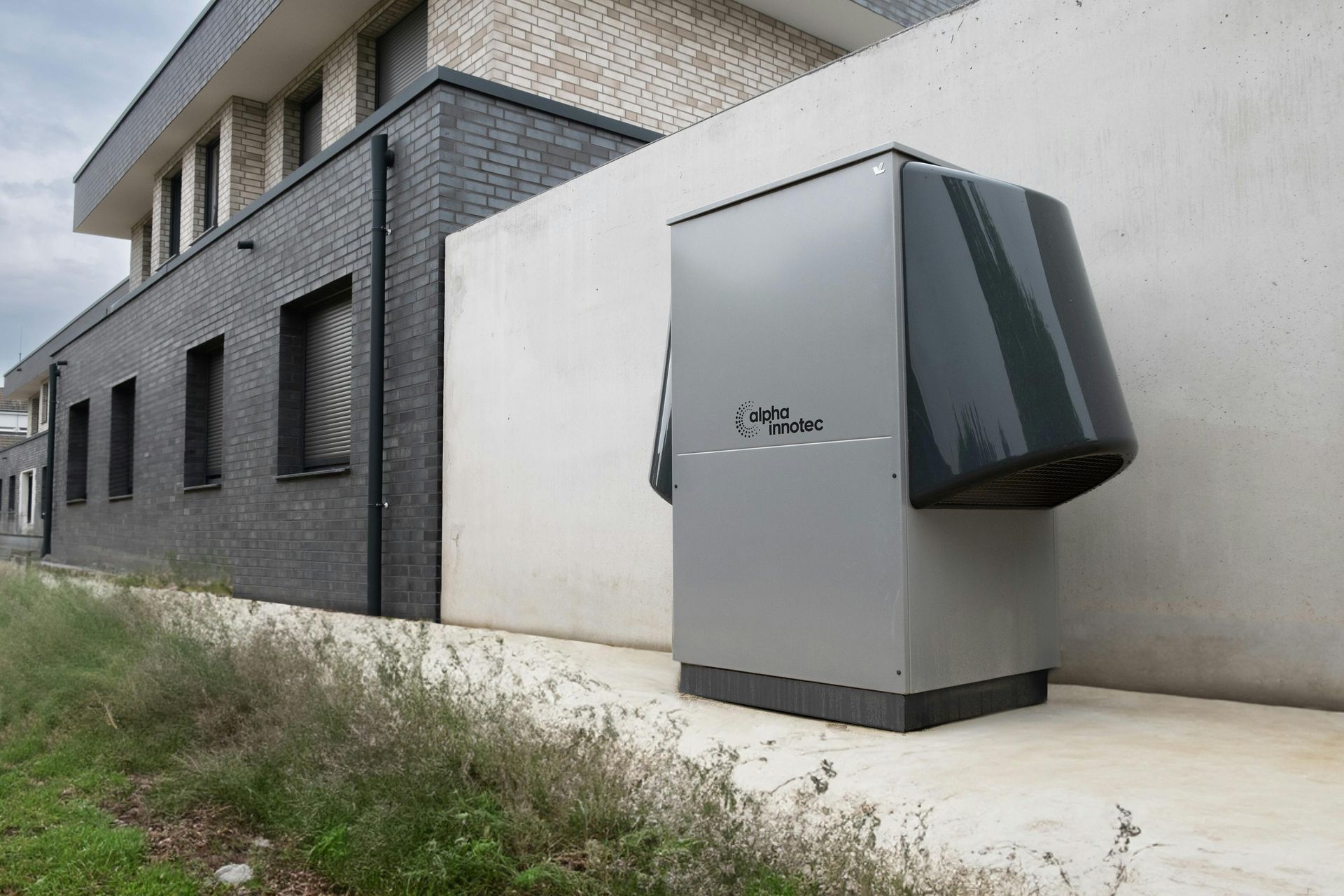
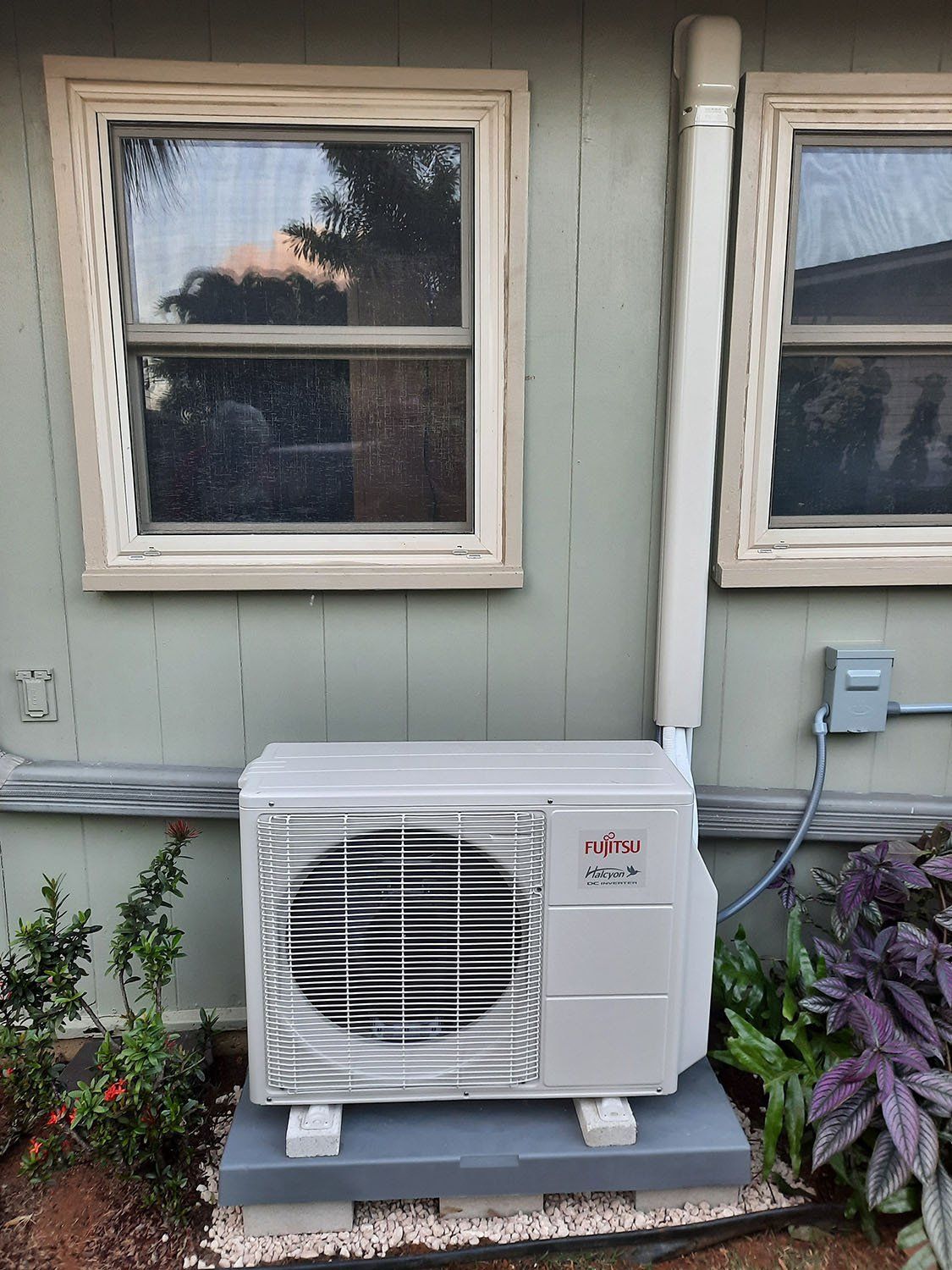
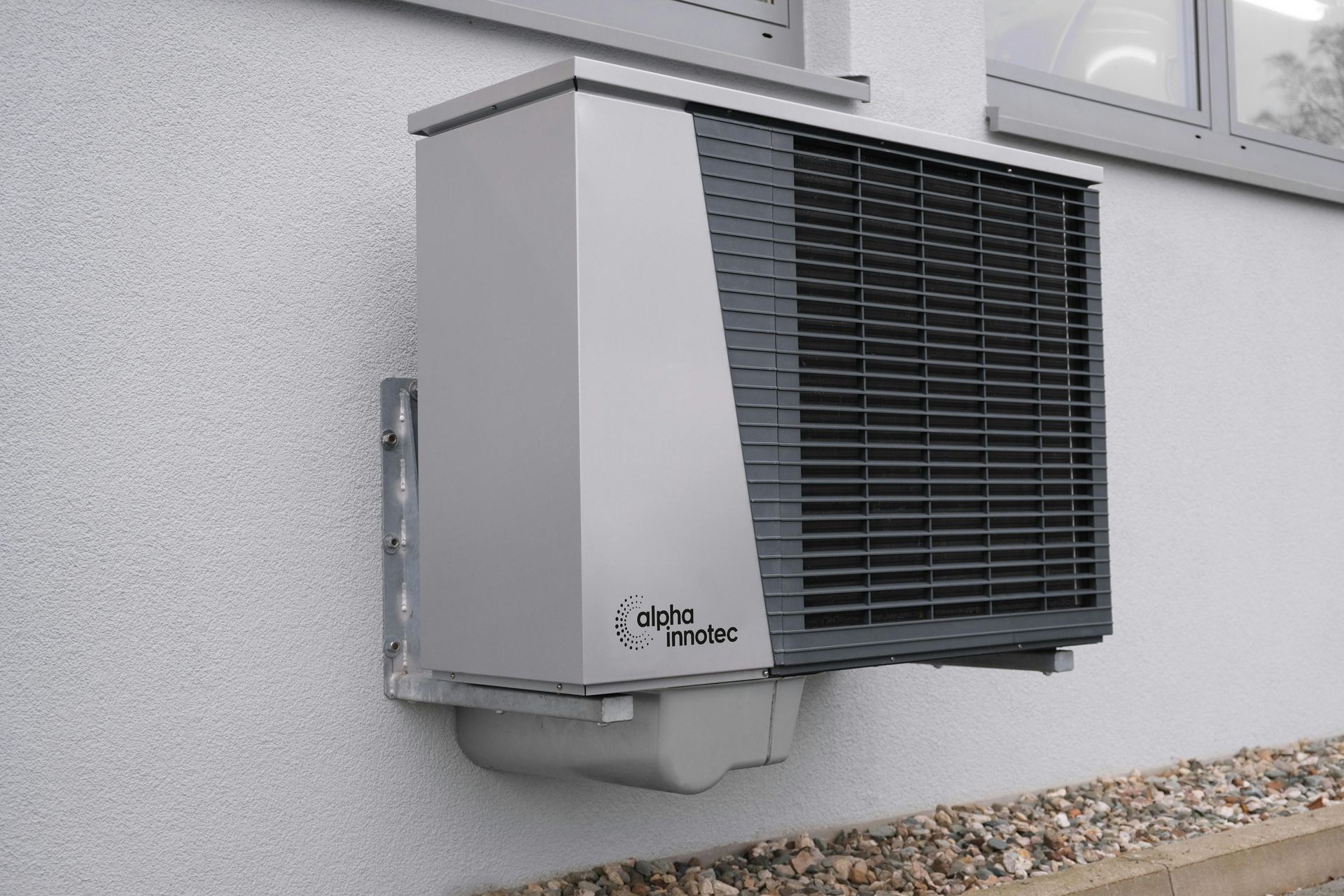
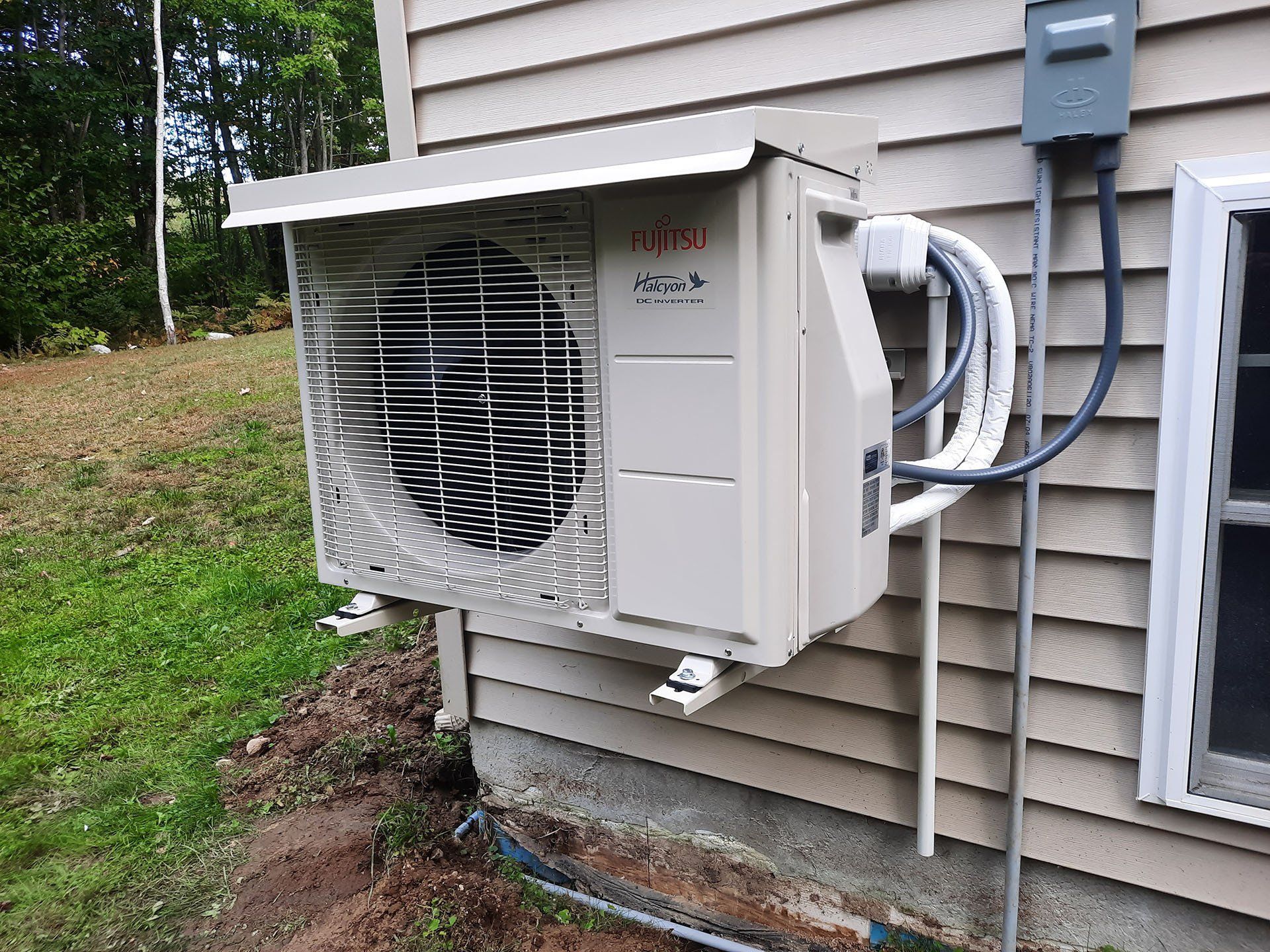
The location of both the indoor and outdoor components greatly affects heat pump performance. Outdoor units should be installed in areas with adequate airflow and minimal obstruction from landscaping, snow accumulation, or debris. Placing the unit on a stable, elevated platform can help protect it from moisture and improve drainage.
Indoor units should be positioned to allow even airflow throughout the living space. For ductless systems, installers should avoid locations where furniture or walls could block circulation.
Noise considerations are also important. Installing the outdoor unit away from bedrooms, patios, or neighboring properties can minimize sound disturbances.
Ensure Quality Ductwork
For ducted heat pump systems, the condition of the ductwork is just as important as the equipment itself. Leaky, poorly insulated, or undersized ducts can significantly reduce efficiency and comfort.
Before installation, HVAC professionals should inspect the duct system for:
- Air leaks
- Poor insulation
- Restricted airflow
- Improper sizing
- Dirt and debris buildup
Sealing and upgrading ductwork when necessary helps maximize system efficiency and ensures conditioned air reaches every room effectively.
Focus on Energy Efficiency
Heat pumps are known for their energy-saving capabilities, but installation quality directly impacts how efficiently they operate. Homeowners should look for systems with high SEER (Seasonal Energy Efficiency Ratio) and HSPF (Heating Seasonal Performance Factor) ratings.
Additionally, pairing the system with a programmable or smart thermostat can optimize temperature control and reduce unnecessary energy usage.
Proper refrigerant charging is another essential factor. Incorrect refrigerant levels can reduce efficiency, increase operating costs, and shorten equipment lifespan. Qualified technicians should carefully follow manufacturer specifications during installation.
Don’t Overlook Electrical Requirements
Heat pumps require dedicated electrical connections and proper voltage to operate safely and effectively. Before installation begins, electricians or HVAC professionals should verify that the home’s electrical panel can support the new system.
Upgrading breakers, wiring, or disconnects may be necessary, especially when replacing older HVAC equipment. Ensuring proper electrical setup helps prevent system malfunctions and safety hazards.
Consider Climate Compatibility
Modern heat pumps perform exceptionally well in many climates, including colder regions. However, choosing a system specifically designed for your local weather conditions is essential.
Cold-climate heat pumps are engineered to maintain efficiency even in freezing temperatures. In areas with harsh winters, some homeowners may also benefit from supplemental heating systems for extremely cold days.
Discussing climate-specific performance with an experienced HVAC contractor helps ensure reliable comfort year-round.
CONTACT US TODAY TO SCHEDULE A HEAT PUMP INSTALLATION!
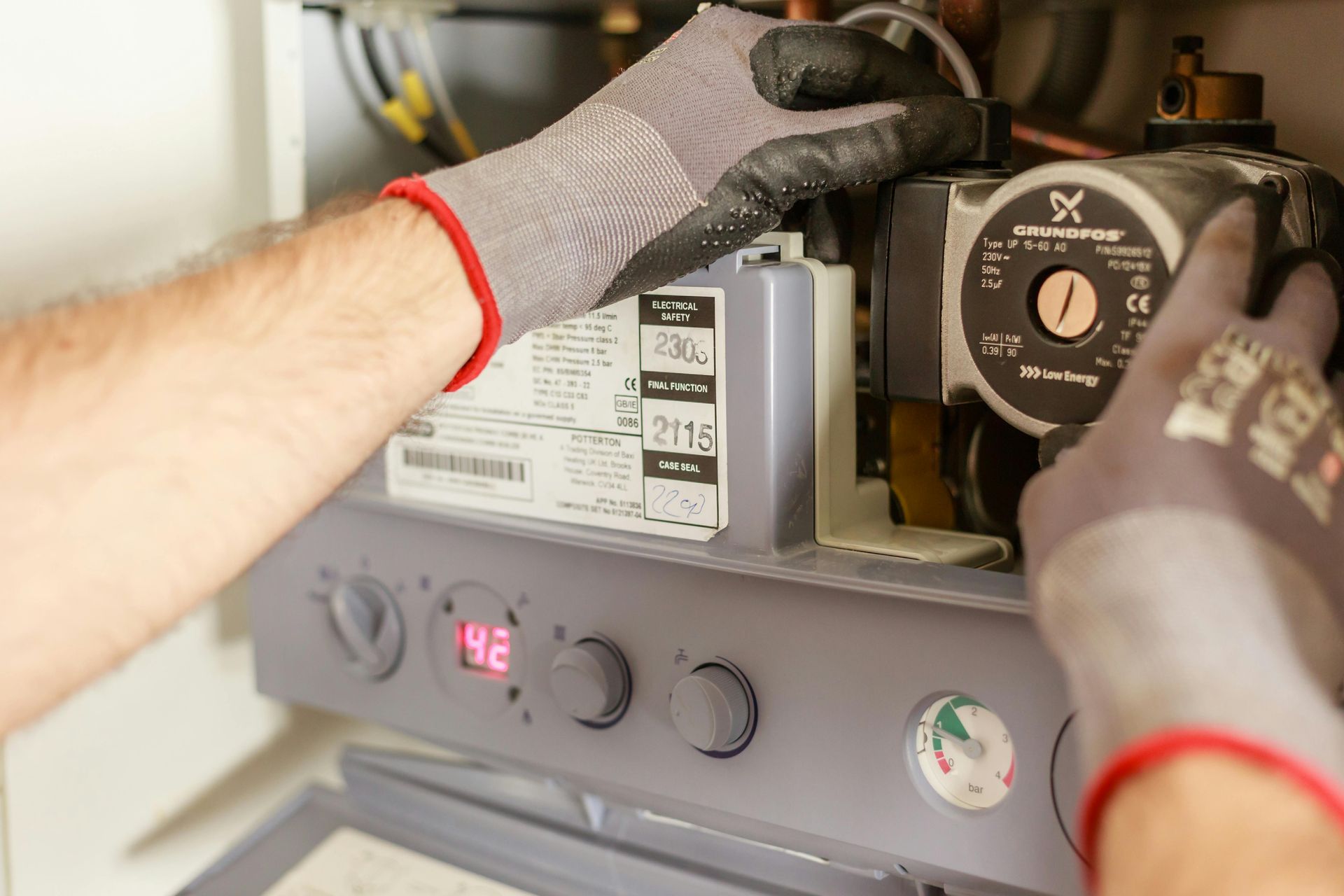
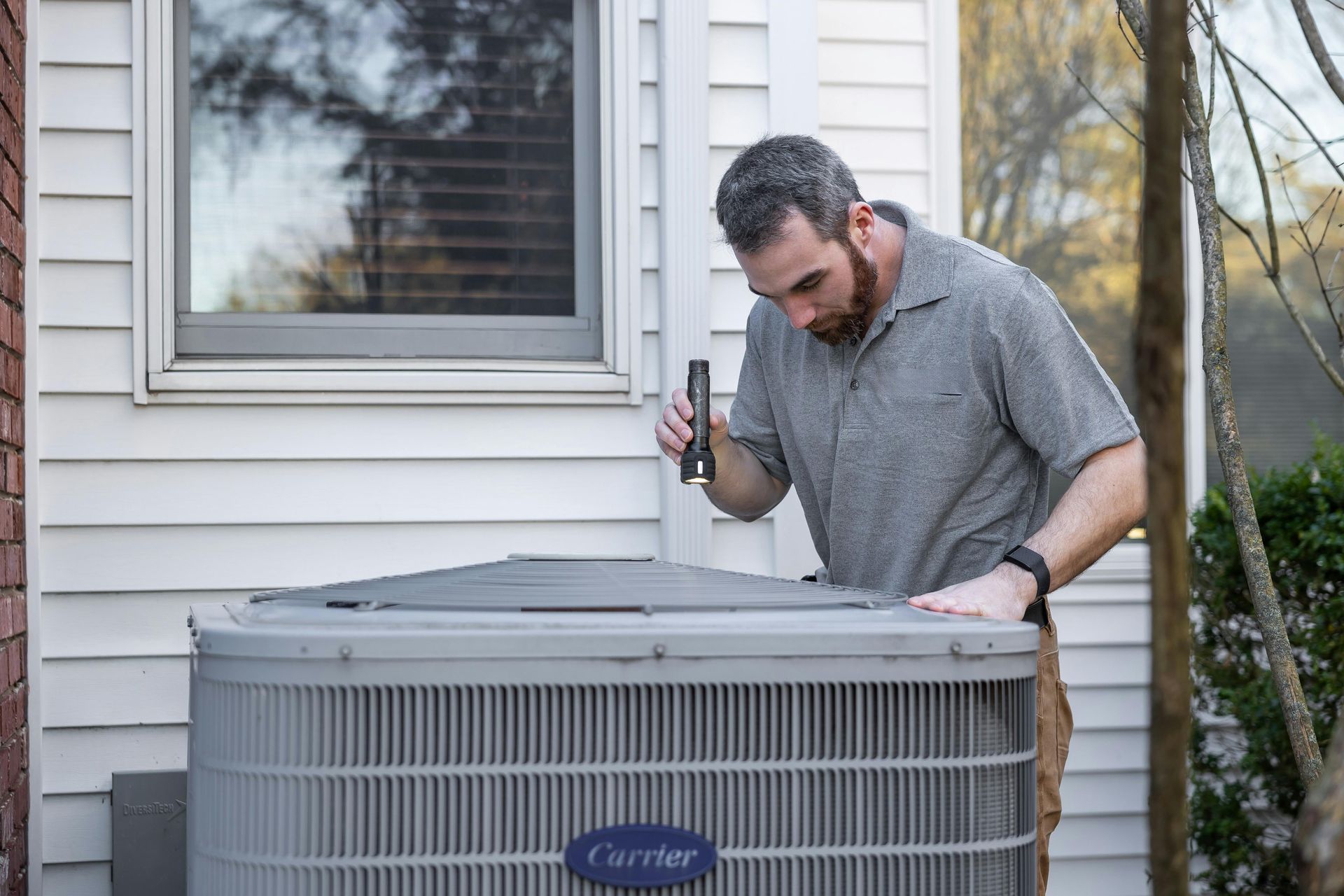
Perhaps the most important installation practice is working with a licensed and experienced HVAC contractor. Heat pump installation involves complex calculations, refrigerant handling, electrical work, airflow balancing, and system calibration. For homeowners in Southern Maine, partnering with an experienced local contractor like Casco Bay Heat Pump can help ensure the installation is done correctly from day one. With more than 30 years of combined industry experience, the company specializes in residential and commercial heat pump installations throughout the Portland and Casco Bay region. We offer high-efficiency Fujitsu and Mitsubishi systems designed to perform reliably in Maine’s changing climate.
Whether you are upgrading an older HVAC system or installing a heat pump for the first time, working with trusted local professionals can make all the difference in achieving efficient, reliable year-round comfort. Contact us today to schedule a service!